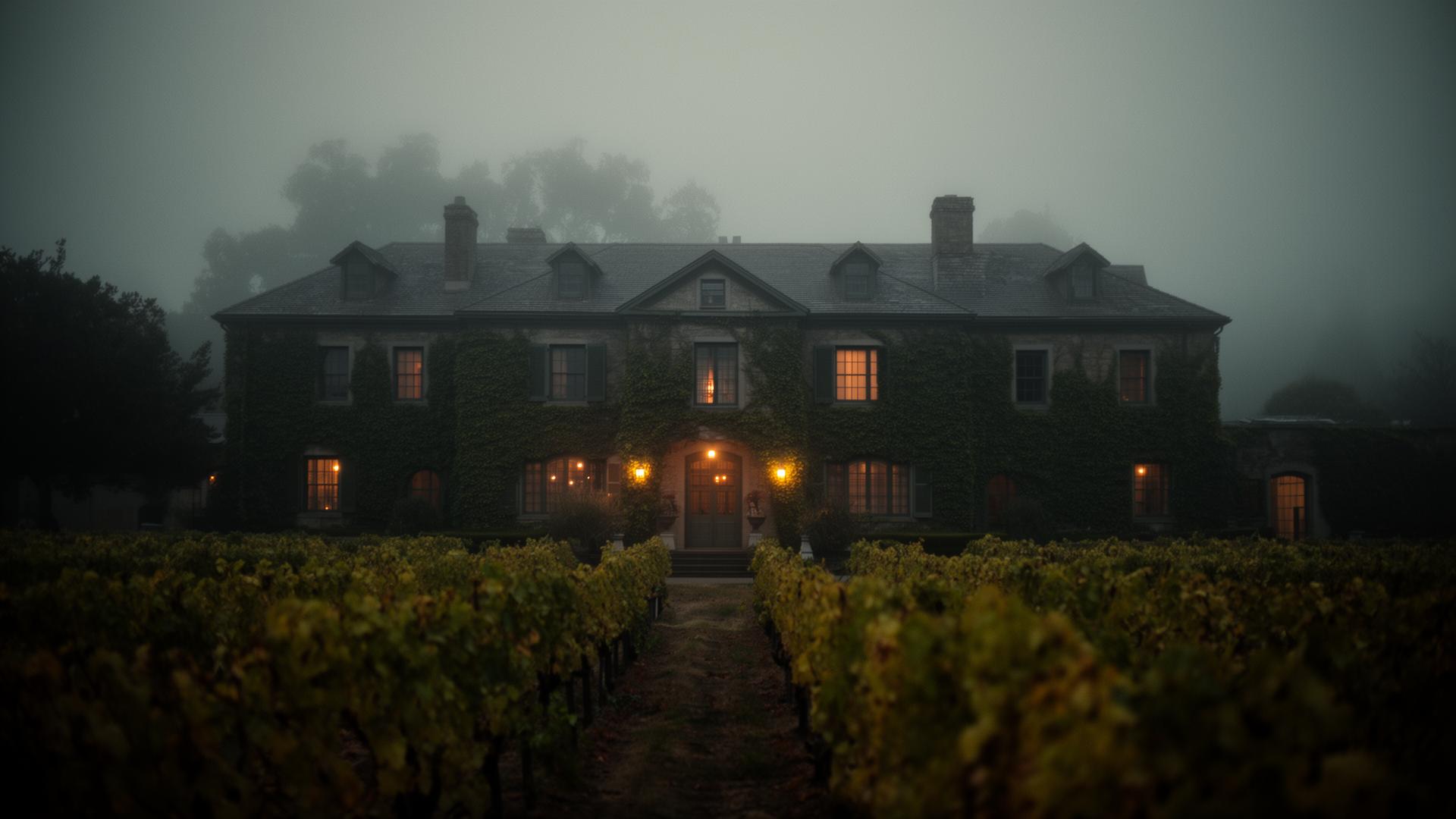
A 19th-Century Estate in
Sonoma County.
140 planted acres of old-vine Cabernet and Zinfandel, a stone winery built in 1887, and a probate-driven valuation. Below is the public version of our diligence. The data room opens for vetted Founders.
The Thesis
An estate the family can no longer steward.
The current owners — third-generation — entered probate in 2025. The estate's wine program has been on autopilot for a decade: under-marketed, under-priced at $32 per bottle, and selling roughly 40% of allocation through a tired DTC club. The land and the vines are exceptional. The operating story is not.
We see a clean three-act turnaround: re-credential the brand under a new winemaker, re-tier the lineup with a small-volume reserve, and convert a long-neglected stone barn into an Owner's hospitality program. The acquisition is priced as a distressed real-estate transaction — but the asset underneath is a heritage California vineyard.
Deal Framework
Indicative terms.
Final terms set in the SEC-qualified offering circular. Numbers below are the working framework presented to the Founders' Waitlist.
Timeline
From LOI to first harvest.
- Q1 2026LOI signed · environmental Phase I underway
- Q2 2026Reg-A+ qualification target · Founders' Waitlist invitations
- Q3 2026Close & take possession · capex plan ratified by Founders
- Q4 2026First owner-only Founders' Harvest
Risk Factors
What can go wrong — stated plainly.
- Agricultural risk — frost, fire, phylloxera, drought.
- Liquidity risk — Founder Seats are not freely tradable; secondary windows are limited.
- Regulatory risk — alcohol licensing and SEC qualification timelines may shift.
- Operational risk — turnaround of a distressed estate involves capex overruns and harvest variability.
- Market risk — premium wine demand correlates with luxury cycles.
This is a partial summary. The complete risk factors will appear in the SEC-qualified offering circular. Investing in private securities is speculative and involves a high degree of risk, including the loss of all invested capital.
Want the data room?
Apply to the Founders' Waitlist. Vetted, accredited, capped at 1,000 Seats.
Apply to the Waitlist